Blog
Unraveling Ancestral Trauma: Rethinking Perfection, Love, and Wholeness

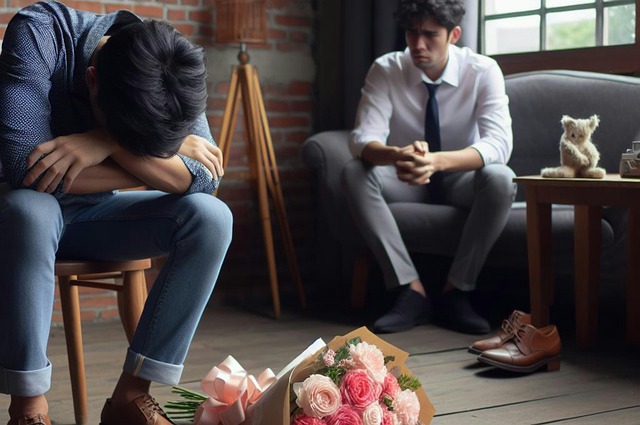
Childhood is often painted in pastel tones: a safe home, parents together, food on the table, and a good education. Many would call this the vision of perfection, but sometimes, beneath the gentle layers, a different story is unfolding. Today, I want to unravel a theme that runs quietly through the lives of many: ancestral trauma and its subtle touch on family expectations, love, and the notion of wholeness.
“Love was present, but it had certain conditions. And I think that that was something that I needed to, over time, you know, question and undo, because otherwise, you know, I was always going to live in a state where in order to receive the connection of others, I would have to be a certain way, and it meant that I had to abandon my wholeness.”
The Surface of Perfection: What Does Safety Really Mean?
Let’s start at the surface—a family that looked like perfection. My parents were together, and their efforts to create a safe home were clear. We had everything we needed:
-
Physical stability
-
A comfortable lifestyle
-
Food on the table
-
A reliable education
From the outside, most would call that a success story.
But safety isn’t just about locking the doors at night or always finding dinner in the kitchen. It’s also about being safe to be your whole self.
Looking Closer: The Needs That Go Unspoken
As I grew up, I came to realize that even the most well-meaning parents might miss some of our deeper needs. On paper, everything was beautiful. But quietly, I was realizing something was missing—something harder to put my finger on.
What exactly was lacking?
-
Unconditional acceptance
-
Freedom to be myself
-
Connections that didn’t hinge on achievements
These aren’t things you can point to or find missing from a grocery list. Instead, they live in the spaces between words, in the weight of expectations, and the echoes of family history.
Inheriting More Than We Know: Ancestral Trauma
I’ve learned that our families don’t just pass down recipes, stories, and traditions. They also pass down pain. In my family’s case, this pain came from generations who faced persecution and oppression. Even as those visible battles faded, their influence lingered.
-
Pressure to succeed: This pressure isn’t always shouted; it’s breathed in, day after day.
-
Love with strings attached: Achievements become currency for warmth and acceptance.
-
Shadow of trauma: The world outside is dangerous, so you must excel to stay safe.
Suddenly, what seemed like loving encouragement is tangled with the ghosts of what happened to our ancestors. Their need to survive becomes our need to perform.
The Conditioned Path: When Love Takes on Rules
Imagine love wrapped in a rulebook. Home, though safe, becomes a place where you sense there are certain ways you must be—not because your parents don’t care, but because their own wounds made it feel necessary.
-
Succeed in school, get their pride.
-
Be just the right kind of polite, avoid their worry.
-
Hide parts that don’t “fit,” keep their approval.
It’s a quiet lesson, but a powerful one: connection comes at a cost. Over time, this teaching becomes invisible—a way of being you hardly question, and a heaviness you carry everywhere.
The Mask We Put On: Trading Authenticity for Belonging
What do you do if you believe that in order to receive love, you have to be a certain way? Most of us don’t even notice we’re doing it, but here’s what can happen:
-
We hide our flaws
-
We push endlessly for success
-
We judge ourselves for falling short
But this path means giving up something important: our wholeness. When we’re only loved for being “enough,” we learn to leave out the parts that don’t measure up.
A Deeper Look: The Power of Conditional Love
Let’s be honest—every parent wants the best for their children, but sometimes the way love is given creates confusion.
-
Conditional love teaches: I am valuable if I perform.
-
Unconditional love teaches: I am valuable no matter what.
The trouble is, even well-meaning parents can fall into the first trap. They too are haunted by family stories, hopes, and fears.
Growing Up: Questioning the Old Rules
It takes time (and sometimes therapy or deep reflection) to see those rules for what they are: leftovers from experiences that weren’t even ours.
But the real work begins with challenging those ideas:
-
Notice when you’re seeking approval above all.
-
Ask why you believe you need to earn connection.
-
Dare to show yourself, flaws and all.
This isn’t about blaming our parents or anyone who came before. They were doing the best they could with what they had. It’s about understanding and freeing ourselves.
Breaking The Chain: Unraveling, Healing, and Reclaiming Wholeness
Untangling ancestral trauma means reclaiming pieces of yourself that were hidden, denied, or judged as “not enough.” It’s learning that:
-
Love isn’t a prize for good behavior.
-
Success isn’t the only way to feel safe.
-
Wholeness means being messy, flawed, and real.
Steps Toward Wholeness: Practical Paths You Can Take
Ready to reclaim the parts of yourself that went quiet in childhood? Here are a few practical steps:
1. Pay Attention to Triggers
Notice moments when praise or criticism send you soaring or crashing. What are you really responding to—the present, or family echoes from long ago?
2. Practice Self-Compassion
Learn to speak to yourself gently, especially when old rules surface. Offer yourself the acceptance you might have craved as a child.
3. Have Honest Conversations
With parents, siblings, or a trusted friend, talk about the pressures you felt. Often, the people who love us also carry these wounds and want to break the cycle too.
4. Redefine Success
Write your own version of what it means to live a good life. Include relationships, kindness, creativity—whatever feels genuinely valuable to you.
5. Seek Out Unconditional Connection
Look for friends, communities, or support groups that encourage you to come as you are—even when you’re not “succeeding.”
Frequently Asked Questions: Family, Trauma, and Moving Forward
What is ancestral trauma?
Ancestral trauma is the pain and fear passed down from previous generations, often through family patterns, beliefs, or unspoken expectations.
How is it different from personal trauma?
Personal trauma comes from direct experiences in your life. Ancestral trauma is inherited, shaping who we are before we even have words for it.
Can conditional love really cause harm, even if parents meant well?
Yes. Even when parents have the best intentions, love with strings attached teaches children to value themselves only when they achieve or conform.
Can we heal without confronting our family?
Healing often starts within, by noticing and changing your own patterns. Sometimes conversations with family help, but it’s not always necessary.
Visualizing the Family Patterns
A great way to explore the flow of expectations, love, and unspoken family rules is to draw a simple family diagram (a “genogram”). Map out:
-
Traditions that shaped your behavior
-
Events or traumas that affected your parents or grandparents
-
Repeated patterns of how love is given or withheld
This visualization can turn abstract feelings into clear stories you can understand and change.
The Inner Child: Listening to What Was Missing
Inside each of us is the version of ourselves that was a child—maybe confused, searching, sometimes unsure. It’s worth taking time to sit quietly with these questions:
-
What did I long for as a child?
-
When did I feel least like myself?
-
Where do I still carry old hurts?
Writing a letter to that younger self, offering understanding or comfort, can be surprisingly powerful.
Transforming the Narrative: From Performance to Presence
The story many of us were handed is about striving, perfecting, and earning connection. The new story can be different.
-
Old story: Be good, and you’ll be loved.
-
New story: You are loved, no matter what.
It takes practice—and sometimes a lot of discomfort—to live in a way that feels real and free. But that’s the gift of unraveling the old: you gain yourself.
Building the Relationships We Long For
The goal isn’t to erase our families’ past pains, but to honor them and consciously do things differently. Whether we become parents ourselves, choose our own communities, or simply show up differently in our lives, we can:
-
Model unconditional acceptance for ourselves and others
-
Change the way we speak about success and worth
-
Invite our loved ones to break the chain with us
A Personal Reflection: What I’m Still Learning
Even with these insights, I’m still unlearning the idea that I need to be a certain way to belong. Somedays, being whole feels risky. But it also feels true. The invitation for all of us is this:
“In order to receive the connection of others, I would have to be a certain way, and it meant that I had to abandon my wholeness.”
But it’s okay to come home to yourself—even if it’s messy, even if it’s uncertain. That’s what wholeness is.
Resources for the Journey
-
It Didn’t Start with You by Mark Wolynn: A compassionate look at inherited family trauma and practical tools for unraveling it.
-
The Body Keeps the Score by Bessel van der Kolk: Exploring trauma’s effects and pathways to healing.
-
How to Do the Work by Dr. Nicole LePera: Empowering ways to heal family patterns.
Conclusion: Perfect Homes, Imperfect Stories
Even if family life looks perfect on the outside, ancestral hurts can quietly shape who we become. It’s not about shaming the past, but gently questioning what we were taught:
-
Is love something I earn?
-
Do I have to perform to belong?
-
What would it feel like to live as my full self?
Unraveling ancestral trauma is the work of a lifetime, but every small step toward wholeness is a gift to ourselves and to the generations that will follow. Let’s create homes—inside and out—where perfection isn’t required, and every part of us is allowed to belong.
Share Your Story
Have you noticed family patterns playing out in your life? What have you learned about unconditional connection? Share your experience below, or reach out if you need community on this path.
Read more about healing and self-discovery on our blog and connect with others on this journey.
If you found this post helpful, consider sharing it or starting a conversation with your loved ones. Healing happens together.